Building a Collection #105: Sibelius' Finlandia
With recommended recordings

Building a Collection #105
Finlandia
By Jean Sibelius
____________
“Whereas most other modern composers are engaged in manufacturing cocktails of every hue and description, I offer the public cold spring water.”
-Jean Sibelius
We now encounter the great Finnish composer Jean Sibelius for the third time in our survey, this time with his famous nationalistic tone poem Finlandia. With a running time of usually between 7 and 9 minutes, this is one of the shorter pieces on the survey. But it is a powerful one, with a wonderful central melody which remains in your mind long after the music ends. The famous brass fanfares are also thrilling, if a bit bombastic. But after all, I like bombastic sometimes and Finlandia certainly fits the bill.
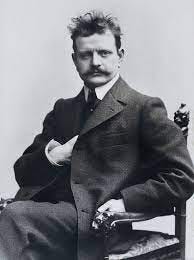
Jean Sibelius
Jean Sibelius (1865 – 1957) was a Finnish composer of the late Romantic and early Modern periods of classical music. Although he was born into a Swedish speaking family (Finland was ruled by Sweden for centuries), Sibelius eventually learned to speak Finnish and later became immersed in Finnish culture. He is regarded as the greatest Finnish composer in history, and his music is especially noted for its nationalistic themes and for helping Finland develop a national identity during a time when the country was fighting for independence from Russia. Sibelius is also credited with the further development of the symphony and the tone poem as musical forms.
As a young man entering college, Sibelius was drawn more and more to music. While he began as a violinist, he soon came to realize composition was his true calling. In 1889, he traveled to Berlin to study composition, and it was there he was exposed to the music of Richard Strauss which was very influential to him. Eventually, he made his way back to Finland to teach music and in 1893 his first substantial work Kullervo was premiered to significant acclaim. Kullervo is a symphonic poem for soloists, male chorus and orchestra, and is based on the Finnish folk epic Kalevala. It was so successful that Sibelius was soon dubbed the leading composer in Finland. In 1897 the Finnish Senate decided to pay Sibelius a salary for a time, which was eventually extended to a lifetime pension. Today there is a wonderful museum dedicated to the composer in the heart of Helsinki which I was fortunate enough to visit several years ago.
Sibelius’ Symphony no. 1 in 1899 was relatively successful, but was then followed in 1900 by the enormously successful and enduring work Finlandia. Sibelius loved nature, and his music evokes stark landscapes, cold winter scenes, and an almost other-worldly atmosphere. Sibelius developed his own unique sound that can be heard especially in works such as En saga, The Swan of Tuonela, Valse Triste, Symphonies 1, 2, 5, and 7, and his Violin Concerto. Sibelius met the composer Gustav Mahler in 1907, and they discovered they had some things in common. Generally speaking, as both of them matured as artists and developed their styles during the early 20th century, critics were brutal in their assessment of anything that strayed from the traditional path. Since both men were pioneers in their own ways, it took courage to remain true to their own artistry. It was Sibelius’ goal to write music that was distinctively “Finnish”, and I think we can agree he was able to achieve that goal.
Sibelius achieved great fame in his lifetime, but also went through difficult periods. He was a heavy drinker and smoker for much of his life, and this led to marriage problems. Eventually he gave up those vices, and lived a relatively peaceful life in his later years. During the last 30 years of his life, Sibelius composed very little new music, but continued to make revisions of his earlier works. He made frequent trips to England, where his music was widely embraced by audiences.
His 90th birthday, in 1955, was widely celebrated, and both the Philadelphia Orchestra under Eugene Ormandy and the Royal Philharmonic Orchestra under Sir Thomas Beecham gave special performances of his music.
Finlandia
Composed mostly in 1899 and revised in 1900, Finlandia is a tone poem of nationalistic importance, at least in part due to the political climate at the time when it was created. Because Finland was under Russian censorship at the time, there was the desire to break free from Russia’s czarist grip. As part of the overall movement toward a free press and freedom of expression, Sibelius composed music for a fund-raising event rallying support for a free press. It was titled Music for Press Ceremony, but the score ends with “Finland Awakens”, which would eventually be called Finlandia. Since then, Finlandia has virtually become Finland’s national anthem.
The premiere was on 2 July 1900 in Helsinki with the Helsinki Philharmonic Society conducted by Robert Kajanus. In order to steer clear of the Russian censors, the piece had to be called different names including Happy Feelings at the awakening of Finnish Spring, and A Scandinavian Choral March. Sometimes the work was simply titled Impromptu. Although initially composed for orchestra, in 1900 Sibelius arranged it for solo piano. Sibelius later reworked the central melody into a hymn called the Finlandia Melody with words added by Veikko Antero Koskenniemi in 1941. The hymn is one of the most important national songs in Finland, and I think we can all agree it is a lovely melody and rightfully celebrated. Today in modern performances the choral hymn is performed in the middle of the larger Finlandia. In my recommendations below, I have listed two choral versions (for male choir) which are both worth hearing. Some purists may not like this, but it is certainly moving to hear. The words were changed when it has been turned into several Christian hymns in the English language, and in Wales the tune is used for Lewis Valentine’s patriotic hymn Gweddi Dros Gymru (A Prayer for Wales). You can even find the Indigo Girls singing a lovely version on streaming services with the lyrics of This is my song, O God of all the nations.
Recommended Recordings
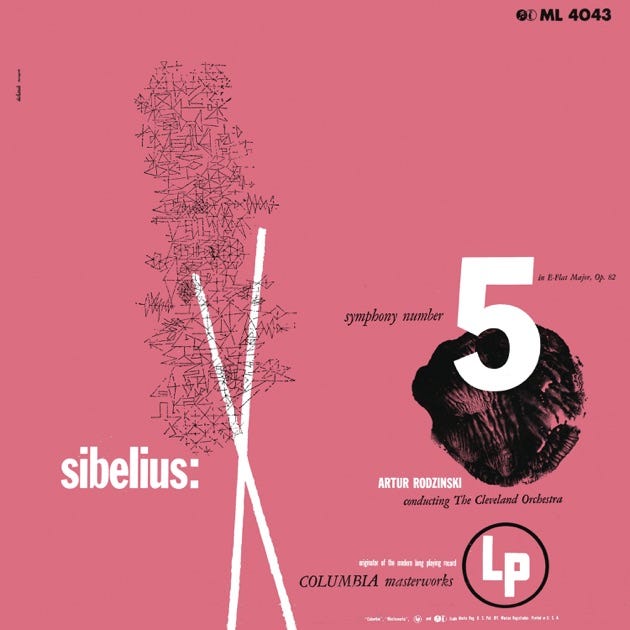
My favorite historical recording of Finlandia comes from 1939 conducted by Artur Rodziński with the Cleveland Orchestra on the Sony label. This is one of the fastest readings you will find, coming in at under 7 minutes! But what Rodziński achieves here is a gripping, I would say even thrilling reading. He keeps tight control, and the characteristics of Rodziński’s style are evident including unified ensemble, rhythmic precision, and forward thrust. The brass are terrific. Yes, you have to make some allowance for the sound, but it is more than acceptable for 1939. Great stuff.
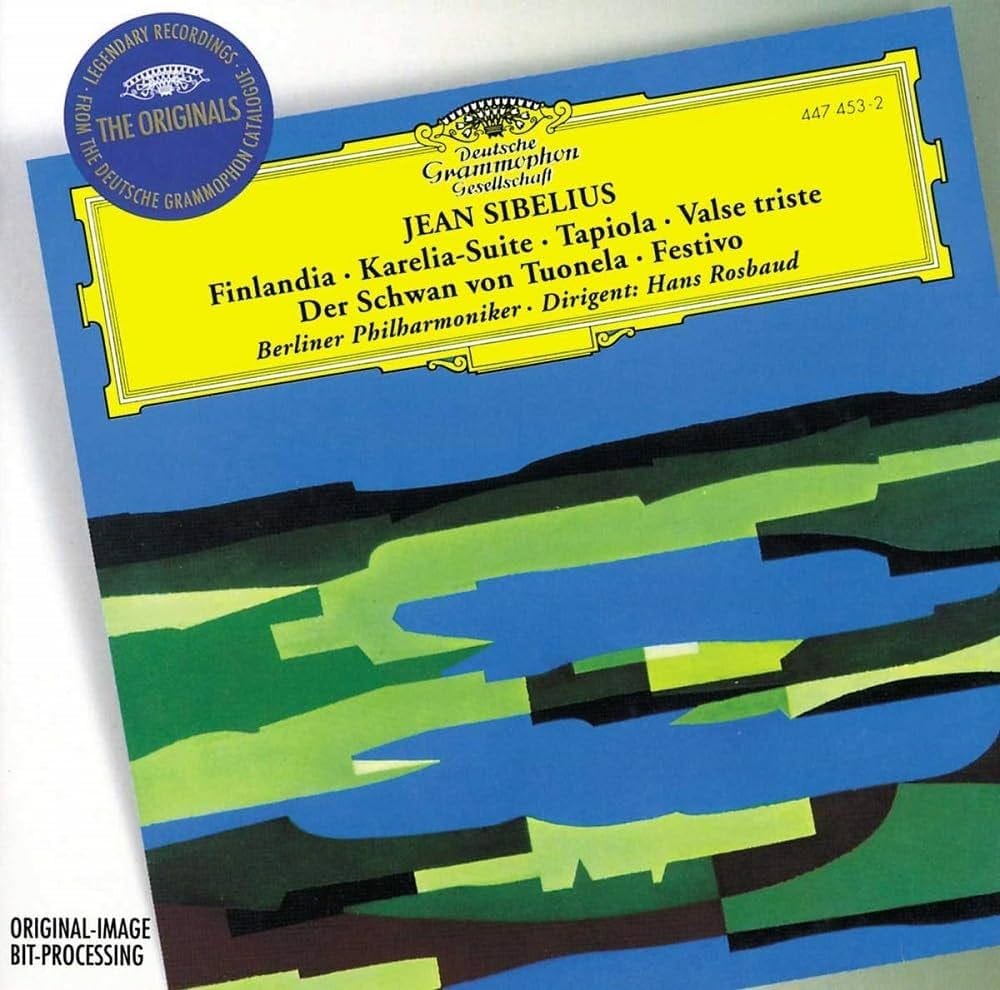
Moving ahead we encounter Hans Rosbaud’s acclaimed recording from 1954 with the Berlin Philharmonic on the Deutsche Grammophon label. Reissued on DG’s “Originals” series, this is a warm and idiomatic performance. The sound is a bit cavernous, the engineers not having fully figured out the acoustic of the Jesus-Christus-Kirche in Berlin (which they would fully take advantage of later), so it is a bit reverberant and a tad distant. But the performance itself shows why Rosbaud was one of the most underrated conductors of all-time. When he was given access to a world class orchestra, like here, he was compelling. There are equal parts power and lyricism in a deeply satisfying reading.
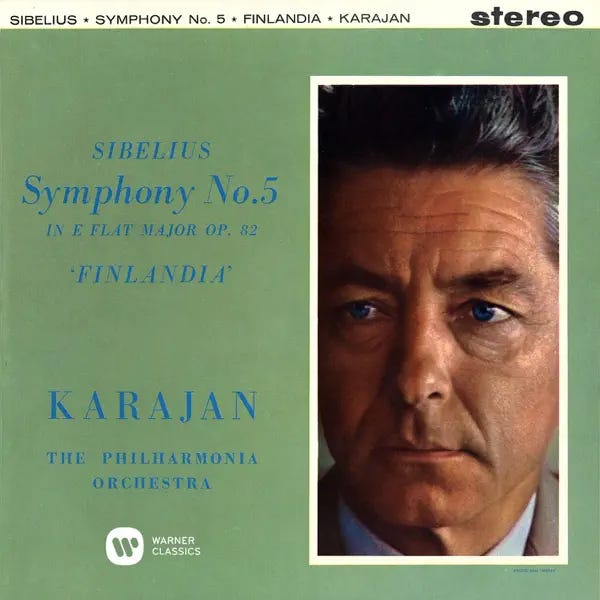
Herbert von Karajan was a very good Sibelius conductor (some say the “best” but I would dispute that and besides the “best” in these conversations is rather pointless), and he recorded Finlandia several times. While Karajan misses the subtleties in the score a bit (see Barbirolli), there is no doubting he finds the more epic qualities in the piece. His 1959 recording with the Philharmonia Orchestra for EMI (Warner) has a rough hewn quality to it that I enjoy, finding the younger Karajan in a feisty mood. The brass here are growling, biting, and menacing, just the way they should be in my view in a work that was fueled by resentment at the Russians. Just wait until you hear the entrance of the brass fanfare at 3’17”...wow. The Philharmonia of this time period was among the finest orchestras in the world, and the sound here is much better than many of Karajan’s recordings with that orchestra. Karajan’s Sibelius Symphonies 2 & 5 from the same time with the Philharmonia are also recommended. Karajan will appear again below.
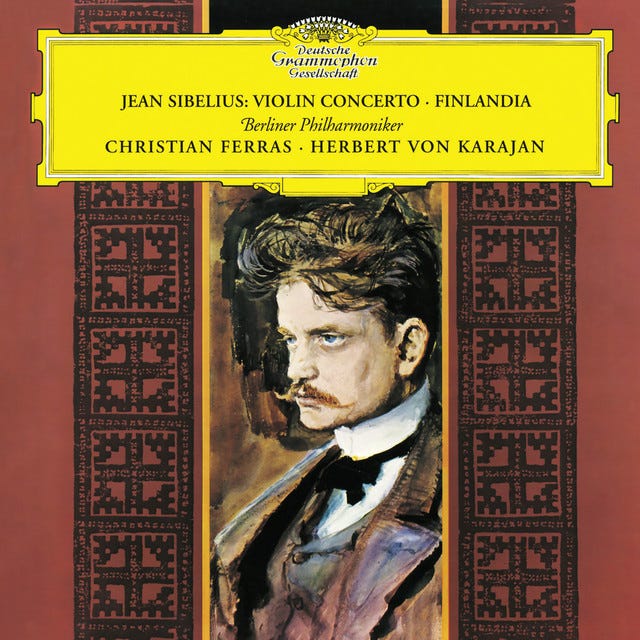
Karajan also recorded Finlandia in 1964 with the Berlin Philharmonic for Deutsche Grammophon. This is a smoother sounding affair, but Karajan’s basic vision for the piece is the same. The first half of the piece is quite measured and profound (perhaps a bit overly so), with the brass blaring out wonderfully at the opening. When things pick up in the middle, it really takes wing. This is the BPO in all its glory, with full, lush, and weighty string sound and deep and resonant bass. In my opinion, this is from the time period when Karajan made most of his best recordings, and I much prefer this to his 1984 digital version. In truth, I prefer the 1959 and 1977 versions to this one as well, but those two also deserve to be recommended. Some say this is the definitive account, which I don’t agree with, but it is certainly quite good. The stereo sound is excellent for the time.
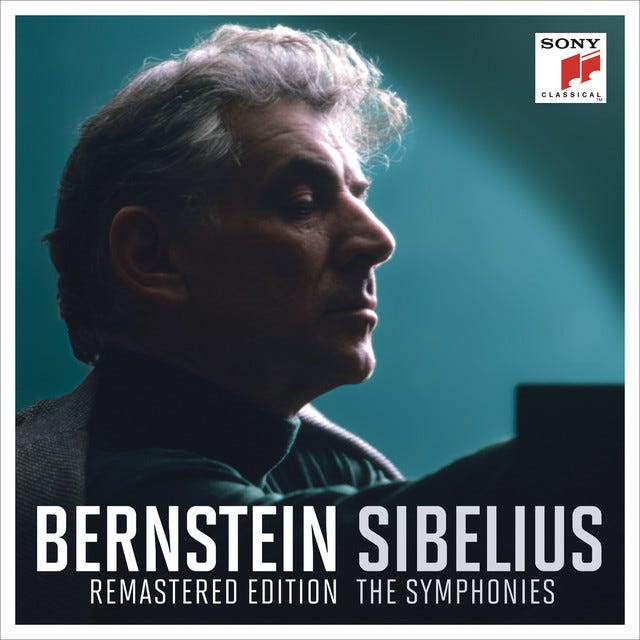
Another very fine Sibelius conductor was Leonard Bernstein, indeed his complete symphony set with the New York Philharmonic from the 1960s on Sony is still an excellent choice. His Finlandia from 1965 shows the “heart on the sleeve” Bernstein at his best. The opening is quite different than Karajan, still intense but not nearly as ponderous. Certainly the piece takes on a larger than life quality, but never loses its musicality. This is a powerful reading which takes no prisoners and never lets up on the emotional subtext. The central hymn is given a heartfelt and sentimental reading without going over the top. The sound is good, with some slight background hiss which doesn’t detract. Recommended.
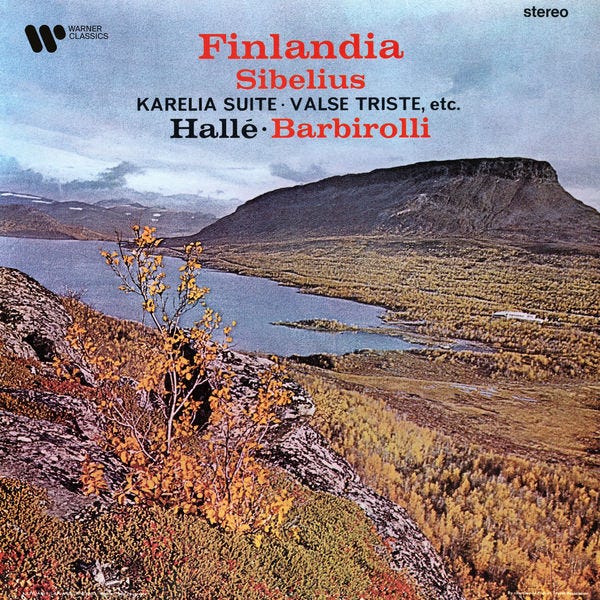
Sir John Barbirolli was also one of the great Sibelius conductors of the 20th century, and his Finlandia from 1966 is superb. He leads the The Hallé Orchestra on an EMI (Warner) recording which is fierce and brilliant. The brass at the opening are only rivaled by Karajan’s 1977 recording (see below), and they really pack a punch. It may be a bombastic opening, but it is also thrilling in a visceral way. But Barbirolli doesn’t simply let the Hallé loose, but keeps the lyrical sections flowing properly and actually shapes the music more than Karajan and Bernstein. When the cymbals come crashing in at 3’32, the impact is terrific. I like how Barbirolli controls tempo and dynamics in a way that makes the music come alive a bit more. The stereo sound is excellent, warm and detailed, with a bit of harshness on top. I would not want to be without this Finlandia.
![The Philadelphia Orchestra, Eugene Ormandy / Sibelius, Grieg, Alfvén – Finlandia – Vinyl (LP, Album + 2 more), [r7634583] | Discogs](https://substackcdn.com/image/fetch/$s_!txtT!,f_auto,q_auto:good,fl_progressive:steep/https%3A%2F%2Fsubstack-post-media.s3.amazonaws.com%2Fpublic%2Fimages%2F8071b0c4-44cd-489f-b9b4-cd25106abcf0_300x300.jpeg "The Philadelphia Orchestra, Eugene Ormandy / Sibelius, Grieg, Alfvén – Finlandia – Vinyl (LP, Album + 2 more), [r7634583] | Discogs")
In my opinion, Sibelius was one of the best composers for Eugene Ormandy, and his 1968 recording with The Philadelphia Orchestra on Sony still retains its classic status. Ormandy has more personality than usual with Sibelius, and this recording is the best of the several Finlandia recordings he made (see choral version below). The full Philadelphia strings are certainly a highlight, but honestly the entire orchestra is well balanced too, with woodwinds and brass playing starring roles. The reading has an overall urgency which creates drama and tension without pushing things too hard. The performance has bite and great dynamics, and Ormandy brings out the details quite nicely. The sound is good, with a very slight background hiss, but generally resonant and realistic. I enjoy this performance, and it gets everything right.
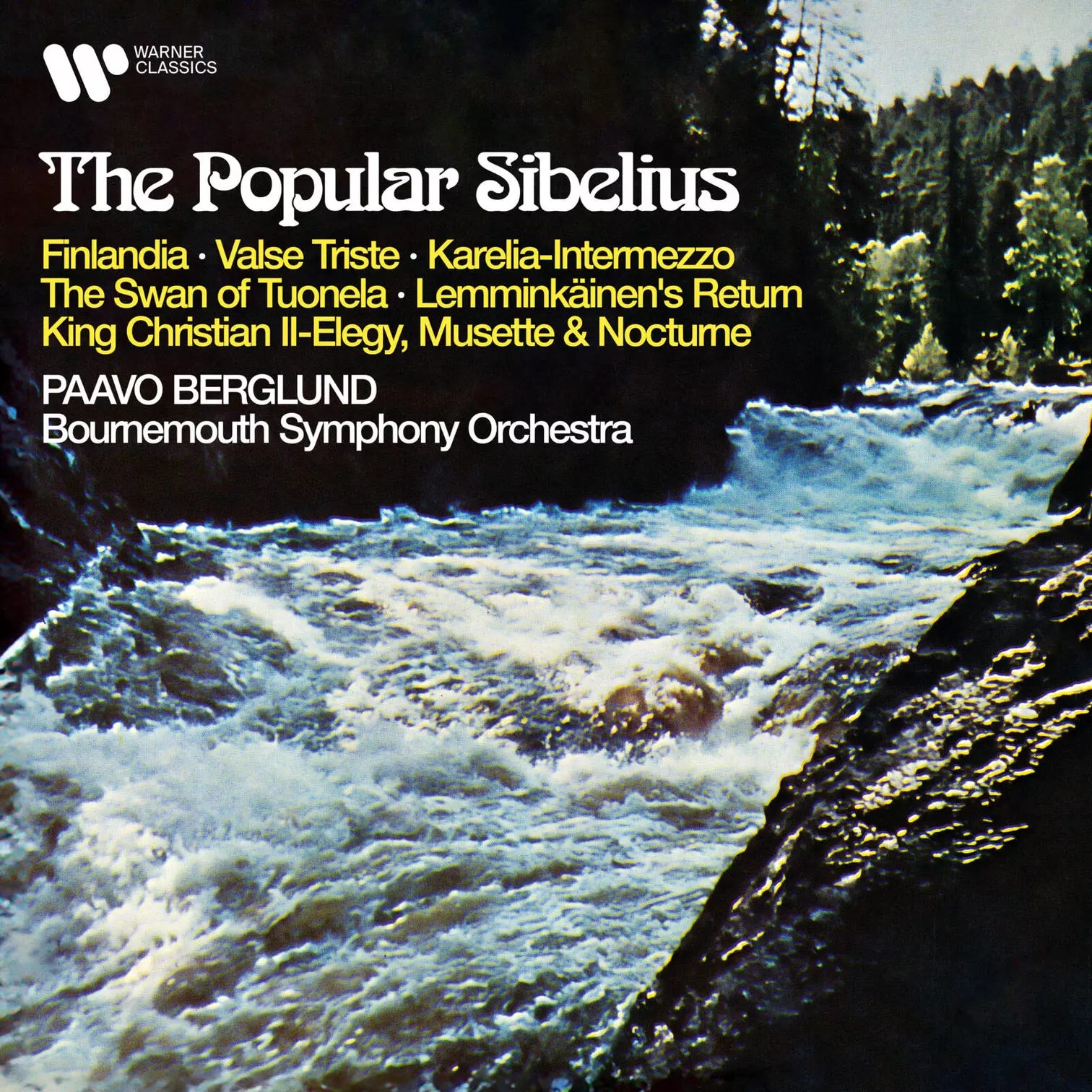
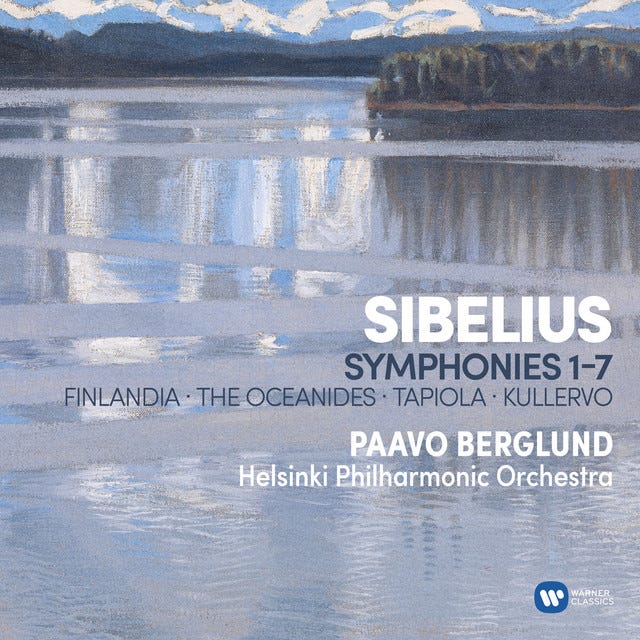
Finnish conductor Paavo Berglund, perhaps not surprisingly, conducted Sibelius superbly, and he recorded a LOT of Sibelius. I admire both his Bournemouth Symphony Orchestra symphony cycle from the 1970s (on EMI/Warner), and the Helsinki Philharmonic Orchestra from the 1980s (also on EMI/Warner). Both cycles also include recordings of Finlandia, and I am recommending both accounts. Berglund’s approach to the piece is less bombastic than Karajan, Bernstein, and Barbirolli, and has more in common with Segerstam and Vanska. There is an emphasis on the more lyrical elements, and that is saying a lot. I am not implying a lack of power, but Berglund is more intent on the overall atmosphere created by the music rather than making a rhetorical point. I have a slight preference for the Bournemouth performance, it feels more poignant to me, but the Helsinki performance has better sound. In any case, if you love this piece, you must check out Berglund.
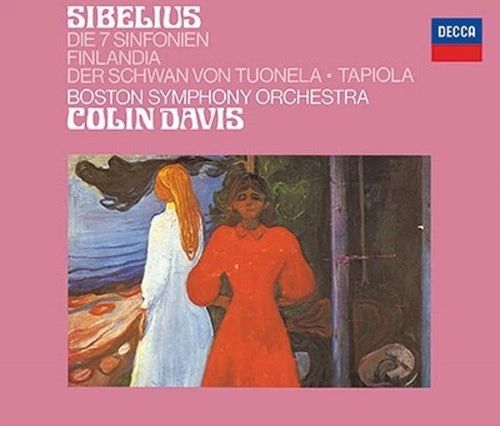
Of course there is the excellent Sibelius recordings from Colin Davis (he became Sir Colin Davis in 1980), and I particularly like his 1975 recording of Finlandia with the Boston Symphony Orchestra on the Philips (Universal/Decca) label, from an entire set of the symphonies and tone poems which is greatly acclaimed. The opening is a bit tame, but things pick up considerably from that point on. For me, the 1970s was a bit of a golden age for the BSO in terms of recordings, and this is no exception. Davis is sensitive to all of the varying emotions and dramatic moments as well as anyone, and while the first half is more considered similar to Karajan, the pace picks up a great deal from there. From about 3’40” on is where this recording reaches greatness, there is a wonderful feel for dynamics and pacing is ideal. Meanwhile we have the BSO brass, woodwinds, percussion and strings all making a fine contribution. The recording has the typical warmth and depth associated with Symphony Hall in Boston, although it was recorded at a bit of a low level meaning I had to turn my volume to hear everything I wanted.
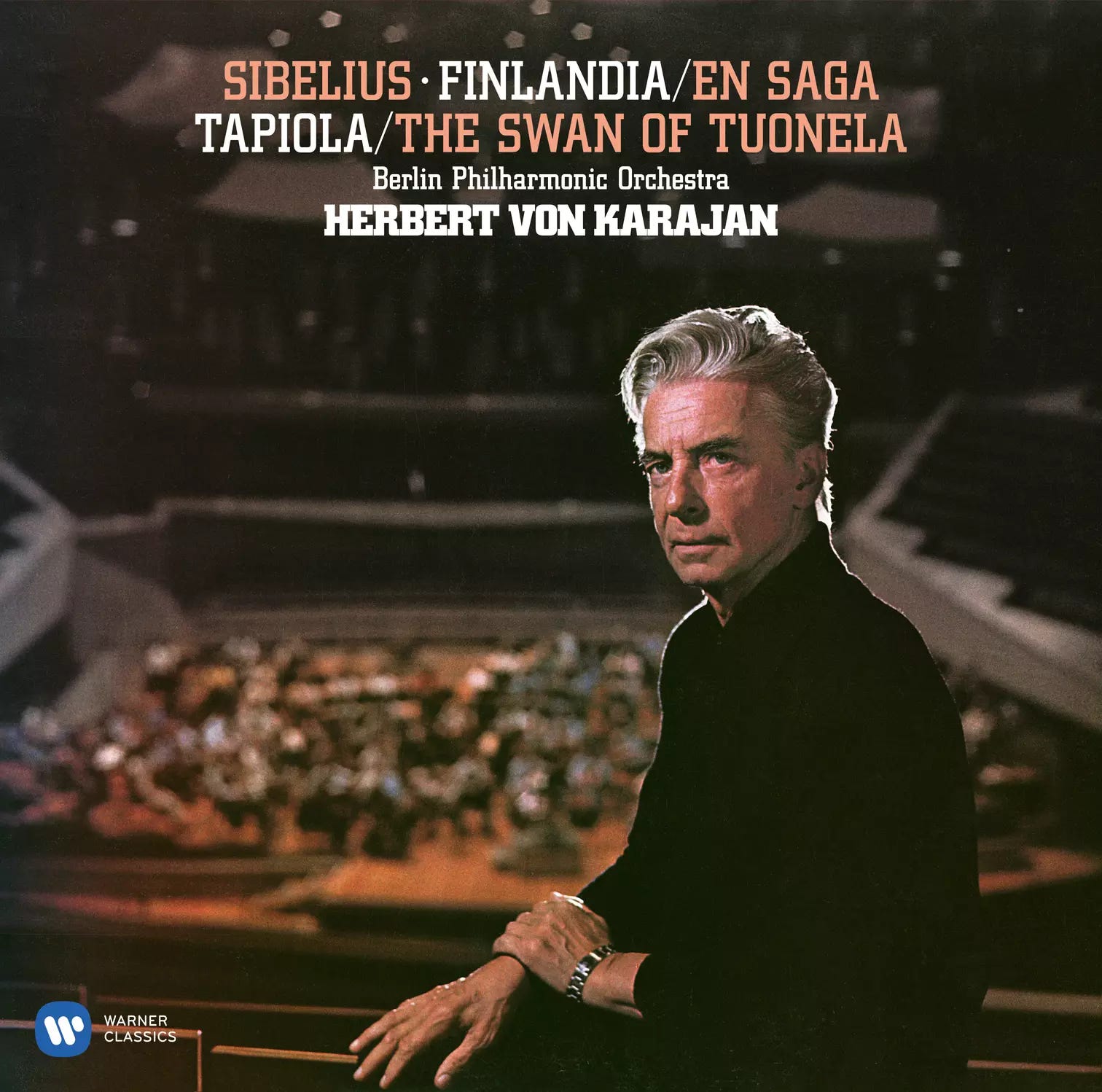
Back to Karajan, we have his 1977 traversal, again with the Berlin Philharmonic, but this time for EMI (Warner). The opening brass are positively scary, menacing, and foreboding. If this doesn’t wake you up, you are dead to the world. It even sounds brash and purposeful to me, but I like that it gets your attention. Karajan’s vision of the work is largely the same as the two previous recordings on the list, the pacing of the first part is on the slower side. But this also adds to the tension and drama when played such as it is here. Thereafter, Karajan stirs the BPO into a veritable frenzy, and again while he may miss some of the subtlety, once things get moving he creates a lot of excitement. I should mention the hymn is beautifully played. The acoustic is fine from the Philharmonie in Berlin, perhaps not quite as warm as the Jesus-Christus-Kirche but certainly captures all the detail.
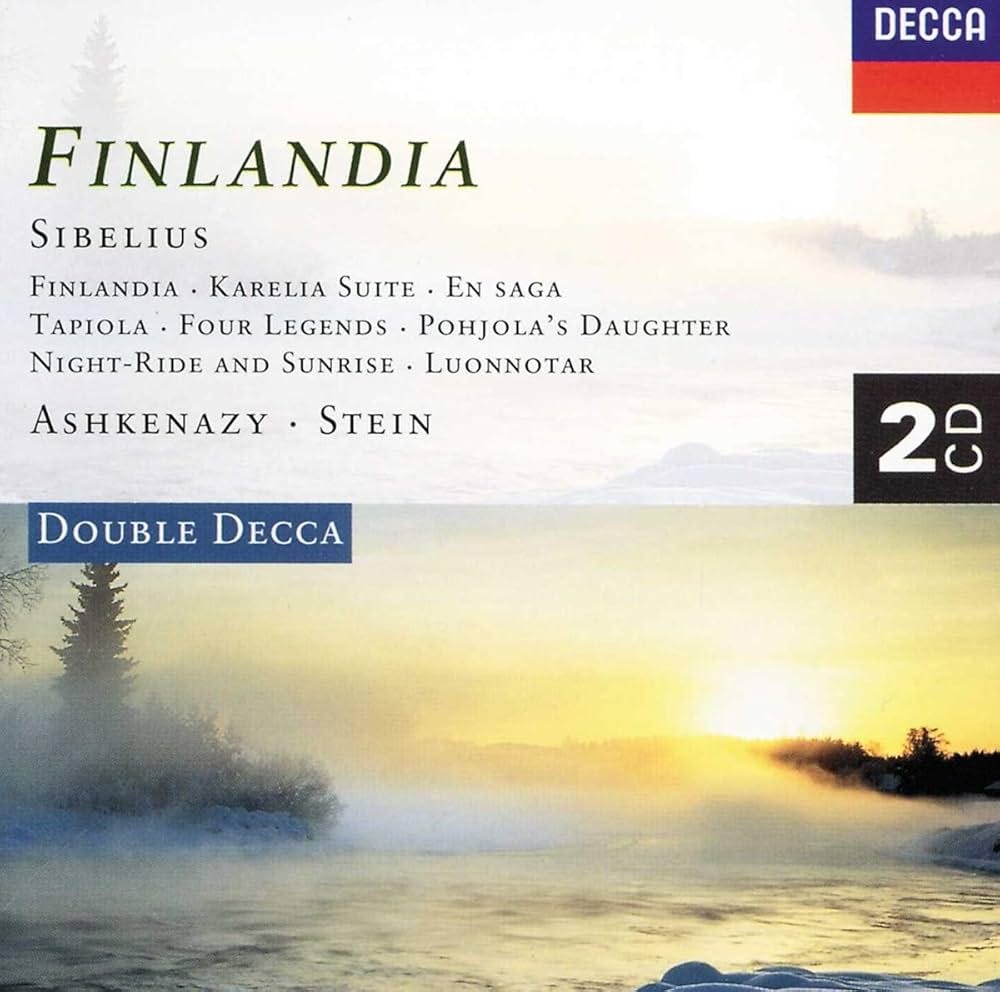
Vladimir Ashkenazy’s time leading the Philharmonia Orchestra in a series of recordings they made with Decca is probably my favorite time for him as a conductor. Part of that series includes his 1980 early digital recording of Finlandia, captured in stunning sound from Kingsway Hall in London. The brass at the beginning are just perfect in my view, brash but not over the top. Ashkenazy is also much more sensitive here to dynamics and phrasing than he would be later in his Boston recording. Once we hit the fanfare at 2’30”, Ashkenazy and the Philharmonia keep their foot on the gas the rest of the way moving things along. The recording has good depth and resonance, and we can hear every part of the orchestra well. The dramatic swells as the tail end of phrases are really marvelously done, and this is easily one of my favorites for this piece.
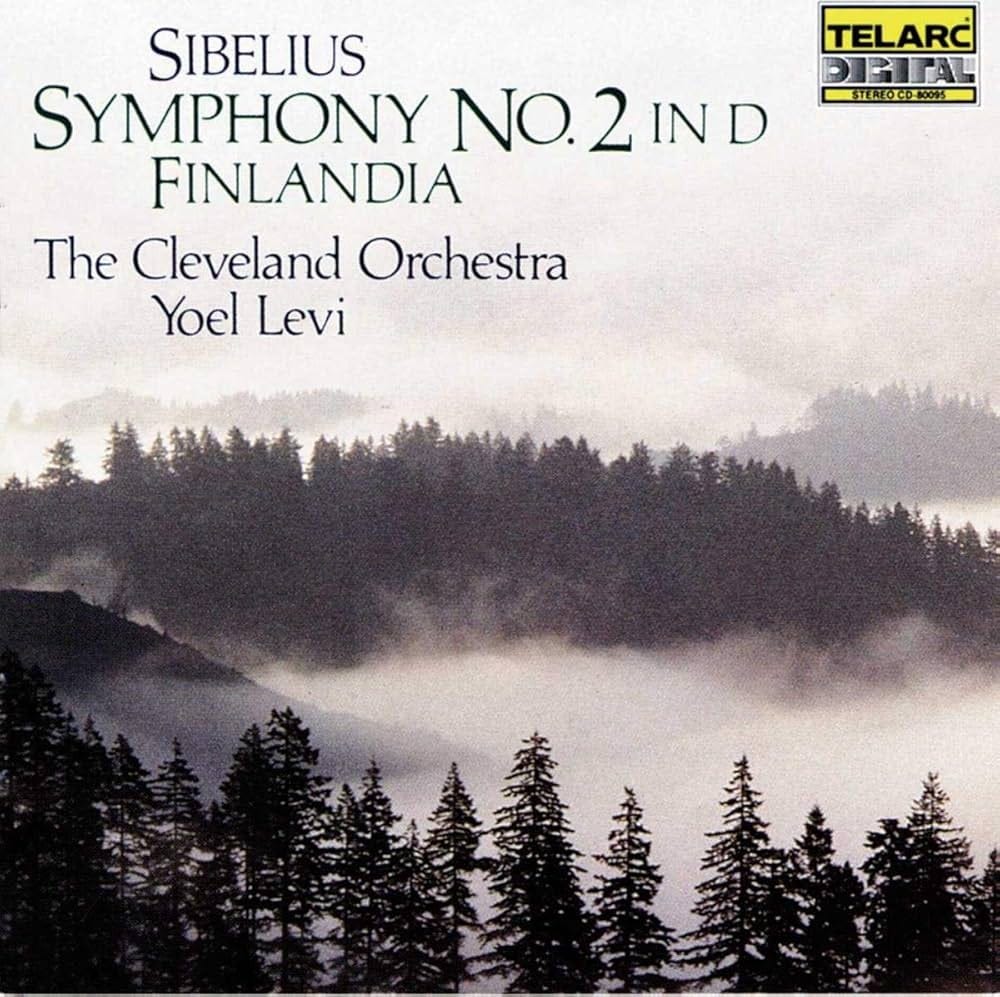
Israeli conductor Yoel Levi is a remarkably consistent conductor, even if his name is rarely mentioned among the greats. Perhaps that is unfair, as you can always count on him to deliver good, and sometimes great, performances. His 1984 Telarc recording of Finlandia with the Cleveland Orchestra has those special qualities I look for including power, rhythmic pulse, tempos and dynamics that feel right, and plenty of detail. Telarc delivered some truly amazing sonics in the early 1980s, and this recording is a good example. Levi recorded Finlandia later in Atlanta, but this one is more compelling for me. There is more swagger and more personality, and of course the Clevelanders are a topflight orchestra. Yes, Levi still has a tendency to play it safe sometimes, but the terrific sonics lift this to a recommended recording.
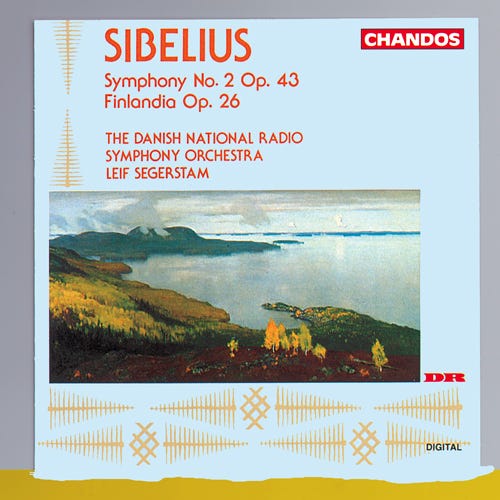
Finnish composer and conductor Leif Segerstam is a fascinating figure, and I find his performances stimulating and engaging. His cycle of the Sibelius symphonies on the Ondine label is one of my favorites, and you will see the Finlandia from that set with male choir listed below. But his 1992 recording with the Danish National Symphony Orchestra on the Chandos label is also recommended. This one does not have the choral part, but it does have an idiomatic feel for phrasing and dynamics which I enjoy. The acoustic is a bit reverberant and spacious, but this actually fits the interpretation nicely, as Segerstam doesn’t push the tempos faster than needed. Where this recording scores is with its emotional resonance, emphasizing the dramatic elements better than almost anyone else. This is something I notice in his Sibelius cycle set as well, and in the choral version listed below.
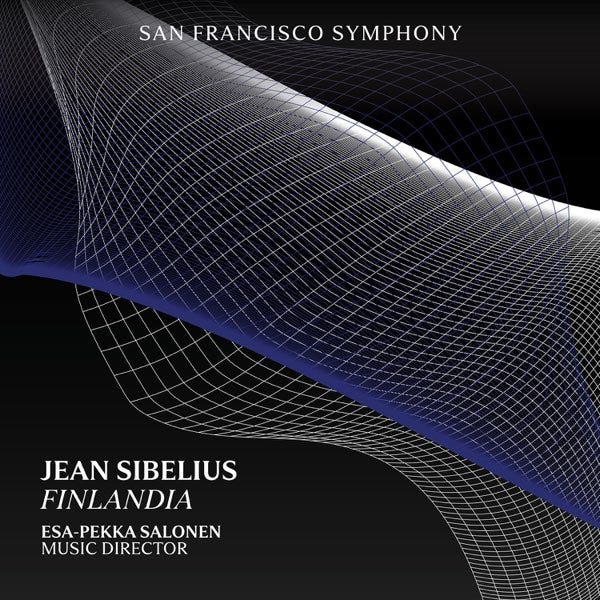
Finally, we have a more recent recording from 2024 from another Finnish conductor and composer Esa-Pekka Salonen, his second commercial Finlandia this time with the San Francisco Symphony Orchestra on the orchestra’s own SFS Media. The sound is crystal clear and atmospheric. I like how Salonen builds the opening chords as a marvelous introduction with a deliberate pace, and there are little accents and touches throughout that make this performance stand out. When we arrive at the fanfare at 3’07” it is all the more impactful, and the SFSO brass cut through wonderfully. Once the march begins in earnest at 3’48” things get moving. The spectacular sound adds to the experience, but taken from a live performance, the entire performance has electricity to it. The hymn section relaxes into something noble and heartfelt, not rushed at all, with sensitivity and gentleness. There is a delicious yearning feel to it, with emotion I don’t always associate with Salonen. The conclusion is appropriately rousing.
Recommended Recordings with Choral Part
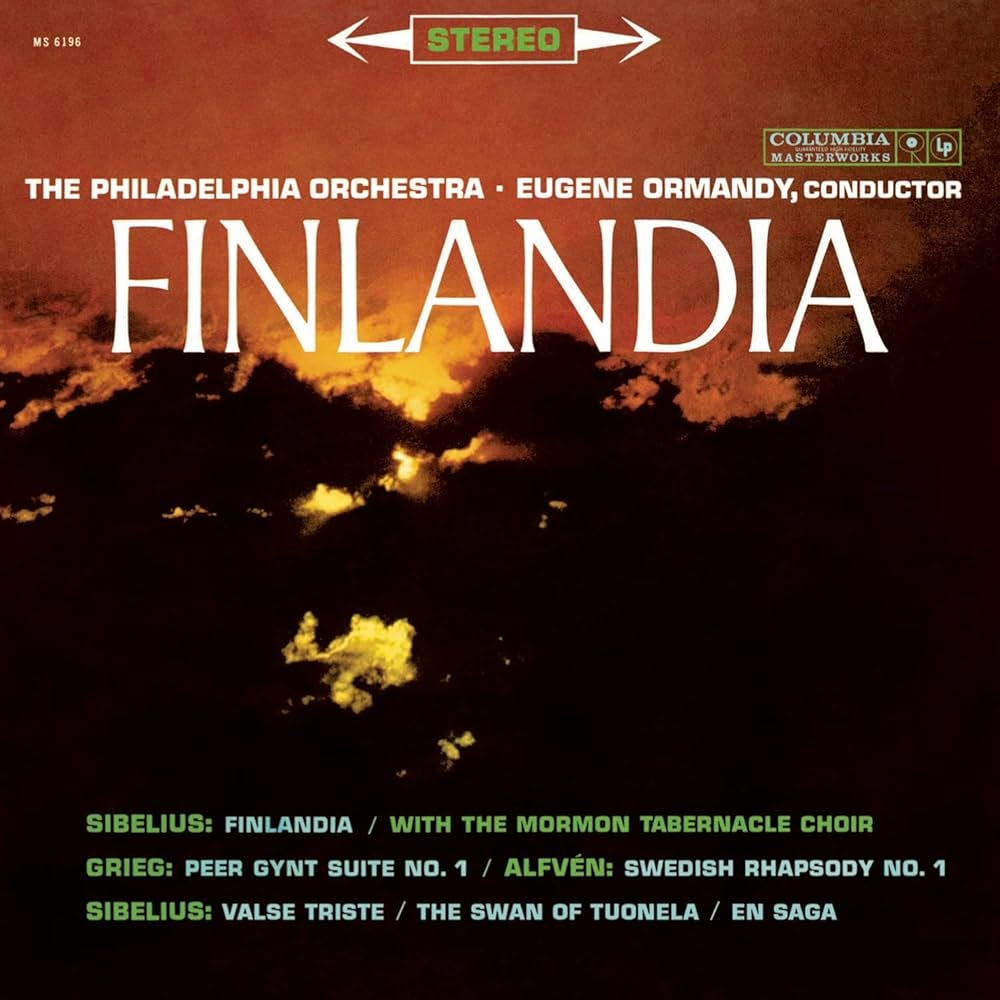
The 1959-60 recording of Finlandia by The Philadelphia Orchestra conducted by Eugene Ormandy has the choral part in the hymn section sung by The Mormon Tabernacle Choir originally on Columbia, now Sony. Even if you took the choral part out, this would be a very fine performance, with a bit rougher and dated sound than Ormandy’s 1968 recording (above). But in a way, this is the more dramatic of the two recordings, but if you don’t care for the choral part, this may not be for you. In this case, the choir sings in English the hymn On Great Lone Hills, and they sing it in moving fashion. If you are in the mood, this is well worth hearing and you may even prefer it to the orchestral only version.
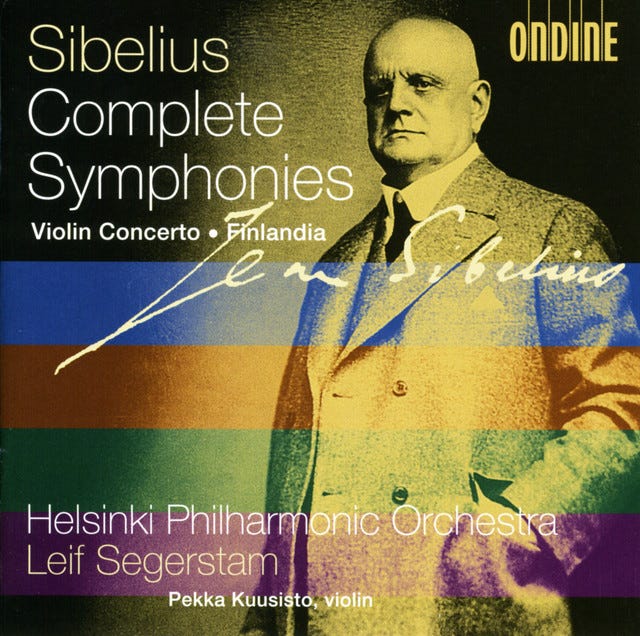
For me, the Finlandia choral version by Leif Segerstam and the Helsinki Philharmonic Orchestra joined by the Polytech Male Choir of Espoo, Finland is an excellent choice if you want the hymn sung. The sound is much better here than the Ormandy, and the words are sung in the original Finnish of course. This is an even better performance than Segerstam’s earlier Danish version, although both are recommended. Besides the clear and rich sound, what stands out to me is the highly refined singing from the Polytech Male Choir. They sing with great sensitivity and heart. This is something special in my opinion, and even if you are opposed to the choral version this is well worth exploring. It is made even more attractive by an orchestral accompaniment which would be recommended even if it stood alone. Recommended.
Other Finlandia Recordings You May Like
Philadelphia / Ormandy (Sony 1950)
Royal Philharmonic / Gibson (Collins 1989)
Swedish Radio / Salonen (Sony 1990)
Boston / Ashkenazy (Decca 1992)
Lahti / Vänskä (BIS 1992)
Atlanta / Levi (Telarc 1993)
Bavarian Radio / Jansons (BR 2015)
BBC Wales / Søndergård (Linn 2018)
Thank you so very much for joining me again! Next time I will be profiling #106, Beethoven’s Piano Concerto no. 4. See you then!
_____________
Notes:
“Finlandia”. www.sibelius.fi.
Hurwitz, David. “Beecham Sibelius Birthday C”. Classics Today. Archived from the original on 4 March 2016. Retrieved 9 December 2015.
Schwarm, Betsy. “Finlandia, Tone Poem For Orchestra By Sibelius”. Encyclopædia Britannica. Retrieved 6 July 2018.
Sibelius, Jean. Finlandia Op. 26 Nr. 7 für Klavier zu zwei Händen, Wiesbaden: Breitkopf & Härtel, Nr. 2415.
https://www.azquotes.com/quote/802821
Even as a classical musician, this is awsome. Here I find bestuiful new pieces apart from the mainstream.
I love how structured your guides are. this “building a collection” approach is exactly what keeps newcomers from drowning. Thank you for the great recommendations and we'll articulated posts